
The Secret Every Chef Swears By
If you’ve ever watched a chef handle a cast iron skillet, you’ll notice one thing: they treat it like treasure. That’s because a well-seasoned skillet isn’t just a pan — it’s the heart of the kitchen.
The secret? Seasoning.
Seasoning a cast iron skillet is what turns dull metal into a gleaming, smooth, and naturally non-stick surface. It keeps food from sticking, prevents rust, and enhances flavor over time.
Once you learn how to season a cast iron skillet, you’ll understand why chefs love these pans — and why they never really wear out.
Step 1: Start Fresh with a Clean Skillet
Even professional chefs start with a clean base. If your skillet is new, give it a quick rinse with mild soap and warm water to remove any protective factory coating.
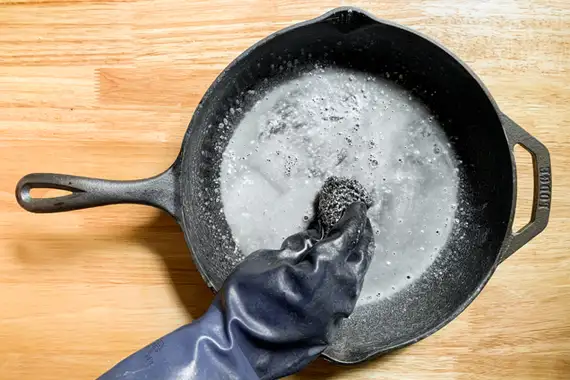
If it’s an older pan that’s seen better days, scrub it gently with a brush or coarse salt and water to remove any old residue. Then dry it completely using a towel, and place it on low heat for a few minutes to remove all moisture.
Step 2: Use the Right Oil — Less Is More
Not all oils are created equal. When it comes to seasoning, choose oils with a high smoke point such as flaxseed, grapeseed, or canola oil. These oils polymerize better, meaning they bond tightly to the iron surface.
Pour a teaspoon of oil into the skillet, then use a paper towel to rub it evenly across every inch — inside, outside, and handle included. Here’s the trick many beginners miss: wipe off the excess. The surface should look almost dry before it goes into the oven.
Step 3: Bake the Skillet to Create the Non-Stick Magic
Preheat your oven to 450°F (230°C). Place your skillet upside down on the middle rack, and add a baking sheet or foil below to catch drips. Bake it for one hour.
This is where the science happens. The oil breaks down and bonds with the iron to form a thin, protective layer. That’s your non-stick surface taking shape — no chemicals, just heat and oil.
When the hour is done, turn off the oven and let the skillet cool naturally inside. This slow cooling ensures an even finish without cracks or streaks.
Step 4: Repeat for a Stronger, Smoother Finish
One round of seasoning is good; two or three is even better. Each layer strengthens your skillet and improves its non-stick quality.
Chefs often season new pans multiple times before using them for delicate dishes like eggs or fish. The more you build up those layers, the better your results in everyday cooking.
Step 5: Daily Care for a Lifelong Pan
After every use, rinse your skillet with hot water (no soap needed now). Scrub away any food bits with a brush or a sprinkle of coarse salt. Dry it immediately and lightly oil the surface while it’s still warm.
Never let your cast iron soak in water — even for a few minutes. Water is its biggest enemy and can cause rust in no time.
Store it in a dry spot, and if stacking with other pans, place a paper towel in between to protect the seasoning.
Common Mistakes You Can Avoid
- Using too much oil: A thick coating leads to sticky buildup instead of a smooth surface.
- Low oven temperature: The oil won’t bond properly unless it’s hot enough.
- Skipping regular maintenance: A single seasoning isn’t forever — you need light upkeep after every wash.
- Not drying properly: Even a small drop of water can start rust overnight.
Avoiding these small mistakes keeps your skillet in perfect condition for decades.
Bonus Tip from the Chef’s Kitchen
Once you’ve learned how to season a cast iron skillet, keep using it! The more you cook — especially with oil-rich foods like bacon, steak, or fried chicken — the better it gets. Every meal naturally adds another layer of seasoning.
Chefs often say their pans “remember” their cooking. Over time, your skillet develops a patina unique to your kitchen — that’s something no non-stick pan can ever give you.
Final Thoughts
Seasoning a cast iron skillet might sound like an old-fashioned ritual, but it’s actually a blend of tradition and science. With just a little time, the right oil, and proper care, your skillet can last a lifetime — maybe even longer.
So, take that piece of iron, heat up your oven, and give it the love it deserves. Once you master the art of how to season a cast iron skillet, you’ll never go back to ordinary cookware again.
